(703) 443-8110

224D Cornwall St NW # 202, Leesburg, VA 20176

Expert Care

So you can focus on life family work

Loudoun Spine & Rehabilitation

We diagnose and treat musculoskeletal, peripheral nerve, and spinal disorders in adults, using a whole-body approach and address the cause and symptoms of low back pain, neck pain, cervical and lumbar radiculopathy/sciatica, joint pain, muscle and myofascial pain, tendinitis, carpal tunnel syndrome, peripheral neuropathy, peripheral nerve pain, and more. Our goal is to treat pain and restore function through injection treatments, nerve blocks, medication management (minimizing opioid medications), and other interventions.

Physical Medicine & Rehabilitation

​Physical medicine and rehabilitation (PM&R), also known as physiatry or rehabilitation medicine, enhances and restores functional ability and quality of life to those with physical impairments or disabilities affecting the brain, spinal cord, nerves, bones, joints, ligaments, muscles, and tendons.

Our expertise in joint/bursa/tendon sheath and trigger point injections, peripheral nerve blocks, and spinal injection treatments is combined with in-house treatment options, for your convenience and comfort. Treatments include viscosupplementation or steroid joint injections/aspirations; trigger point injections; peripheral nerve blocks; interlaminar and transforaminal cervical/thoracic/lumbar epidural steroid injections; cervical/thoracic/lumbar facet joint nerve blocks and radiofrequency neurotomy; sacroiliac joint injections; provocation discography; and spinal cord stimulation trials. We offer fluoroscopic-guided injection treatments, for optimal safety and precision placement of medications, in our office, eliminating the need to visit a hospital or surgery center. Musculoskeletal ultrasound is also available for procedure guidance as needed.
An EMG study is used to assess the health of the nerves and muscles. Although the test is frequently referred to as an EMG ‘test’ it actually has two components: electromyography (EMG) and nerve conduction studies (NCS). Patients with numbness, tingling, pain, weakness, or muscle cramping are frequently assessed with EMG/NCS. In our office, all emg/ncs are performed and interpreted by a physician board-certified in Electrodiagnostic Medicine. Disorders most commonly assessed include: carpal tunnel syndrome, ulnar neuropathy, peripheral neuropathy, radiculopathy (“pinched” nerves in the neck or low back), sciatica, numbness/tingling or weakness in upper or lower limbs.

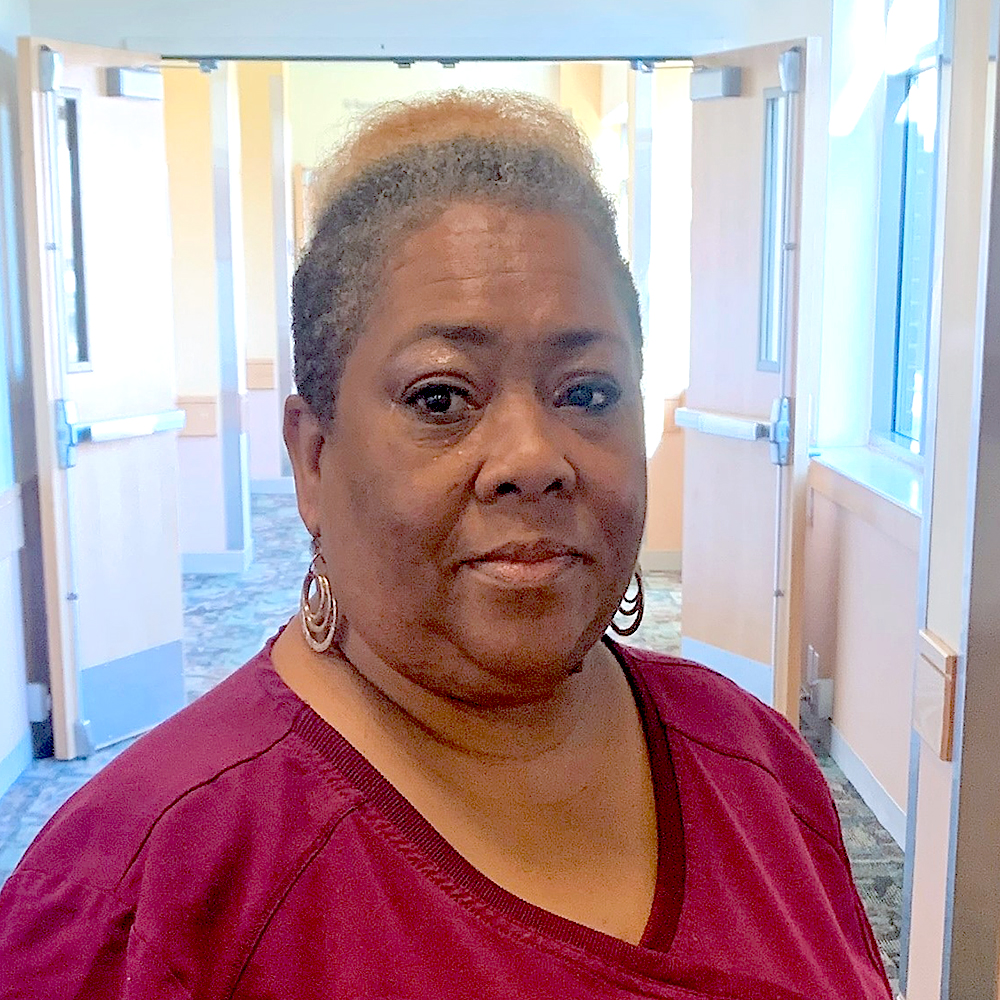
Loudoun Spine & Rehabilitation Staff

Frequent Questions & Resources

Resources and common questions for patients and family.

Low back and neck pain related to arthritis, disc herniations, and spinal stenosis. Knee, hip, and shoulder joint pain related to arthritis, bursitis, or tendonitis. Numbness/tingling related to carpal tunnel syndrome, radiculopathy, or peripheral neuropathy. Muscle pain due to muscle strains and myofascial pain.

Please contact us if you have a fever or infection prior to the day of the procedure as we may need to postpone your procedure. There are no food or drink restrictions. You do not have to have a driver, but feel free to bring one if you feel more comfortable.

Please read the Loudoun Spine Pre-Procedure Instructions for Spinal Injections (located under FORMS TO DOWNLOAD…) as there are certain blood thinning medications that should be stopped prior to the procedure.

If your injection does not involve the spine, you do not need to stop blood thinning medications.

There are no absolute limitations or restrictions after an injection however we recommend avoiding strenuous exercise for 24 hours after the procedure. You may want to apply ice to the injection site if you experience soreness. Otherwise, you may resume normal activities as tolerated and return to work after the procedure.
An EMG study is used to assess the health of the nerves and muscles. Although the test is frequently referred to as an “EMG test,” it actually is made up of two components: electromyography (EMG) and nerve conduction studies (NCS). EMG/NCS is also commonly known as Electrodiagnostic Testing.

Patients with numbness, tingling, pain, weakness, or muscle cramping are frequently assessed with EMG/NCS. Disorders most commonly assessed include: carpal tunnel syndrome, ulnar neuropathy, peripheral neuropathy, radiculopathy (“pinched” nerves in the neck or low back), sciatica, numbness/tingling or weakness in upper or lower limbs.

Depending on the areas of the body being evaluated, the patient may be asked to change into a gown. Before the test, a focused patient history and examination is performed and imaging reviewed if appropriate. This evaluation helps determine which specific nerves and muscles should be assessed with the EMG/NCS test. The findings for the initial nerves and muscles assessed will determine which additional nerves and muscles should be tested.

Patients are advised not to apply any creams, lotions, or oils to their skin the day of the test because the small electrodes are attached to the skin with an adhesive.

The NCS component of the test evaluates electrical signals along the nerves to the skin or muscle. Electrodes are attached to the skin and a small electrical stimulus is applied to a nerve and the electrical signal is detected at the electrodes. An electrical waveform is produced on a computer screen. The speed, size, and shape of the waveform are analyzed. The number of nerves tested will depend on the clinical situation and the findings for the initial nerves tested.

This stimulus is very brief (less than one thousandths of a second). It feels like a small electrical shock and the muscles may “twitch.” NCS is usually well-tolerated by most patients.

The EMG component of the test evaluates the electrical signals from the muscles. A small, thin, and sterile needle electrode is inserted into different muscles. The electrical activity is assessed when the patient contracts the muscle and when the patient has the muscle relaxed. The electrical activity is displayed on a computer screen and the noise produced from this electrical activity is heard from a small speaker. Visualizing and hearing the electrical activity are both important in determining what is normal versus abnormal. The number of muscles tested will depend on the clinical situation and the findings for the initial muscles tested.

There may be some discomfort during testing; however the needle can be easily moved slightly to a different area which will not cause discomfort. It is very rare that a patient will not be able to tolerate this part of the test.

The complete testing process usually takes 30-60 minutes. Afterwards, there are no patient restrictions. At Loudoun Spine and Rehabilitation, EMG/NCS tests are performed and interpreted by a physician board-certified in Electrodiagnostic Medicine. The test results are discussed with the patient immediately after the test is completed. The EMG/NCS report is typically ready within 24 hours and will be sent or faxed to the patient’s referring physician (and other physicians if requested).


Loudoun Spine & Rehabilitation

224D Cornwall St NW # 202
Leesburg, VA 20176-2700

Contact Us By Phone

Fax: (703) 443-2714

Hours

Monday-Thursday: 7:30 am – 4:00 pm
Friday: 7:30 am – Noon

Holiday Hours

11/26, 12/24, 12/31:
Open 7:30 am – 4:00 pm

11/27, 11/28, 12/25, 12/26, 01/01, 01/02:
Closed